

Operations platform
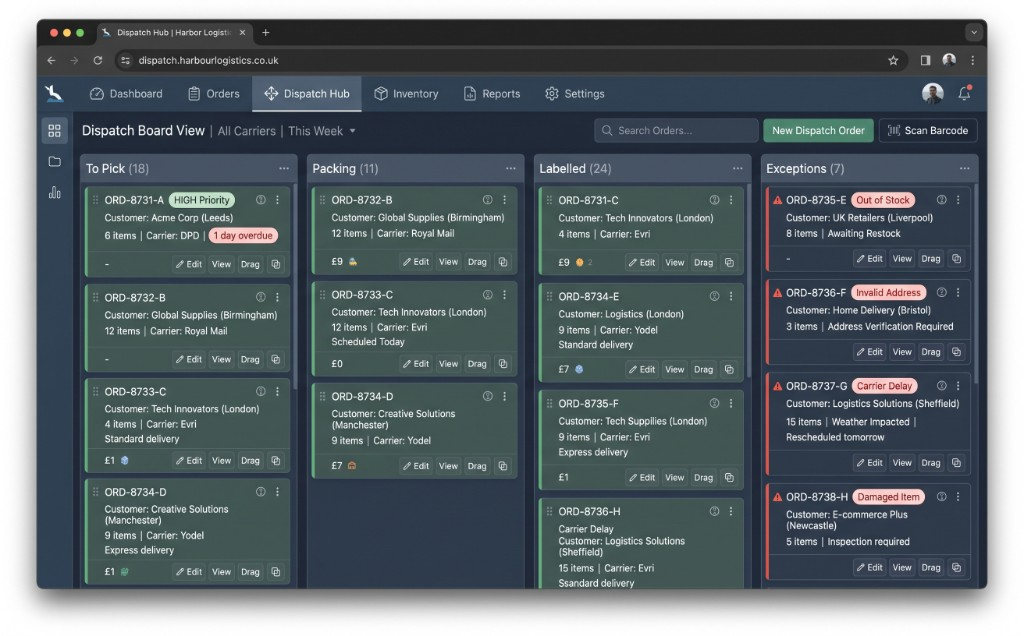
Dispatch Hub
OutcomeFaster dispatch
TypeOperations dashboard
Learn more
29Marketplace · Case study
Multivendor marketplace — vendor storefronts, categories, and seller onboarding. We delivered the multivendor shop as a live conversion surface for vendor applications.
01The delivered site
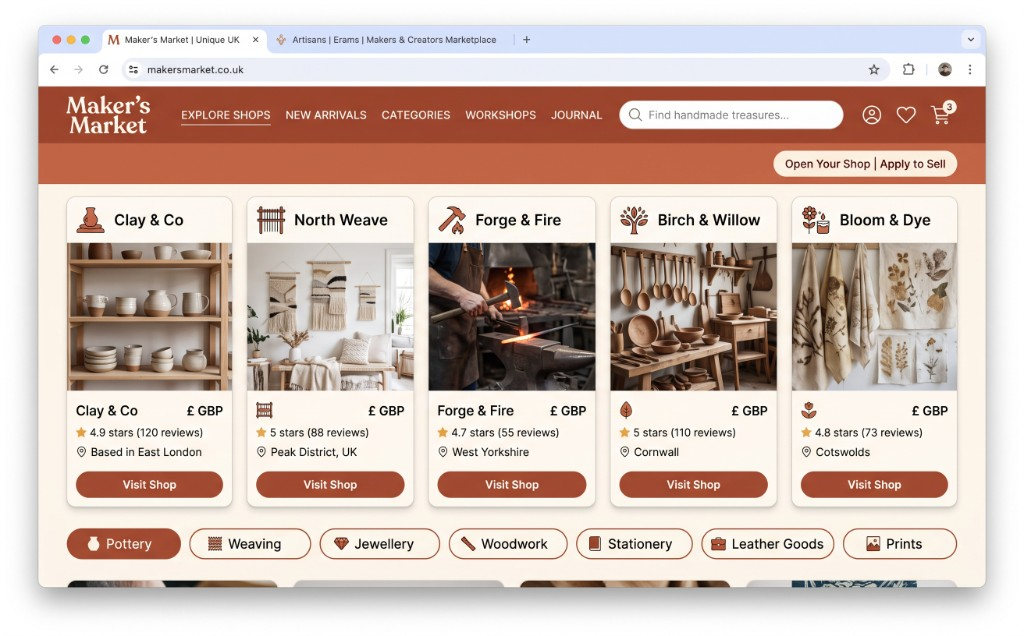
The layout we shipped for this project — desktop first, with a phone view where we have one.
02The brief
What we were hired to fix
Maker's Market needed a multivendor shop that did one commercial job: vendor applications. Multivendor marketplace — vendor storefronts, categories, and seller onboarding.
The constraint was not “more pages”. It was a marketplace audience who would leave if the next step was vague. We treated that as the brief, not a later optimisation.
We shipped a finished multivendor shop — copy, layout and conversion path — so the team could run vendor applications from a URL they own.
03What we delivered
We built Maker's Market as delivered work, not a concept. Structure, proof and the vendor applications path were designed together, then implemented as a maintainable front end.
Every block on the page has a job: explain the offer, show evidence, and move a real person to vendor applications. If it did not do that, it did not ship.
Categories, SKUs and collections match how the buyer already shops — trade, wholesale or consumer.
Photos, prices, case sizes and stock cues on the card. No mystery between listing and basket.
Account, guest or reorder paths with fewer blockers between intent and paid order.
Promos, vendors and repeat orders sit on the same rails so growth does not mean a rebuild.
04Outcomes
Visitors can complete vendor applications without a sitemap. The action sits where the offer is.
Maker's Market reads as a marketplace multivendor shop — not a reused template with the logo swapped.
The same structure takes a new offer, SKU or workflow without starting again.
—More work
Next step
A short call with the person who would run it — not a sales script.